







Search Results for: Enhancing Flavor

The Magic of Adding Salt to Coffee: The Practical Principles Behind Reducing Bitterness, Enhancing Sweetness, and Improving Smoothness
Adding flavorings to coffee is nothing new—sugar and dairy have long been common pairings—but the addition of salt surprises many people. In fact, thanks to its unique chemical and taste properties, salt can play multiple roles in coffee: from suppressing bitterness and enhancing sweetness and positive flavors, to reducing astringency and improving smoothness, and even adding complexity by highlighting salty notes. This article systematically outlines the various effects of adding salt to coffee and their underlying principles, and highlights precautions for its use, helping enthusiasts try this method more rationally. [more…]

Is a coffee tasting cup worth buying? Does a aroma cup provide any real help in enhancing aroma? Training ideas for sensory perception of pour-over flavor
Coffee drinkers often run into a question: those uniquely shaped tasting cups—do they really help us better perceive flavor, or are they just a waste of money? This time, Front Street will start with the origins and design logic of tasting cups, breaking down clearly the reasons why a cup affects taste and smell. It will also discuss whether aroma cups are actually useful, and how we can train our flavor perception in everyday pour-over brewing. If you've ever stood indecisively in front of a row of cups, or want the pour-over in your hands to taste more layered, this article will offer some practical reference. [more…]

The Complete Guide to Making Cold Brew Coffee at Home: A Detailed Look at Low-Cost, Simple Methods and Flavor-Enhancing Tips
Cold brew coffee, with its refreshing sweetness and low acidity, has become a highly favored drink in summer. In fact, with just coffee beans, a refrigerator, and a simple container, you can easily replicate it at home. Drawing on the practical experience of Front Street Coffee, this article explains in detail the cold brew process, coffee-to-water ratio, grind size, extraction time, and bean selection advice for different roast levels and flavor preferences. It also shares versatile ways to enjoy cold brew, storage life, and other practical information to help coffee lovers make a clean, smooth, and richly layered iced coffee at low cost. [more…]
What Are the Benefits of Adding Salt to Coffee? Explaining the Principles Behind Bitterness Suppression, Flavor Enhancement, and Added Complexity
Adding salt to coffee may sound unbelievable, but this practice actually contains rich taste science. Salt can not only effectively suppress the bitterness of coffee, but also enhance sweetness, improve astringency, and even add layers by highlighting saltiness. This article will start from Front Street's perspective and systematically sort out the three major roles of salt in coffee: suppressing bitterness, improving quality and enhancing flavor, and adding layers, while analyzing the principles of taste interaction behind it. At the same time, the article will also remind readers of precautions when using it, such as dosage control and applicable scenarios. Whether you are a coffee lover or a pour-over player, you can gain practical inspiration from it. [more…]

Bialetti Moka Pot Brewing Guide: Avoiding Off-Flavors, Enhancing Crema, and Four Front Street Coffee Starter Bean Recommendations
Many friends using a Bialetti moka pot want to extract rich, aromatic coffee with crema, but the actual results often fall short of expectations. In fact, the crema from a moka pot is essentially the same as espresso crema—both are fine foam formed by carbon dioxide—but because the pressure is lower, the crema is thinner and less stable. For home users, as long as the coffee liquid has a light layer of crema and good flavor, that's enough to make a delicious Americano or latte. Below, we'll discuss how to avoid unpleasant flavors from three aspects: choosing the right coffee beans, ensuring freshness, and increasing extraction pressure, and recommend four Front Street Coffee beans suitable for beginners. [more…]
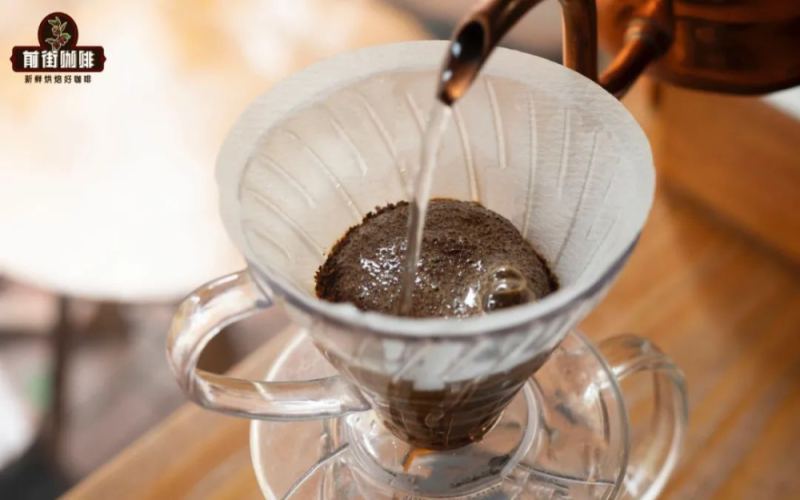
A Guide to Enhancing the Body of Dark Roast Black Coffee: Complete Techniques from Coffee-to-Water Ratio to Pouring Method
Many coffee enthusiasts often encounter the problem of a thin mouthfeel and lack of richness when brewing dark-roasted beans. Body refers to the sense of weight that the coffee liquid has in the mouth, and it is closely related to strength. Because dark-roasted beans have a loose texture, they are actually easier to brew into a thick mouthfeel. This article will systematically explain how to adjust parameters to enhance the body of dark-roasted coffee from four dimensions: coffee-to-water ratio, brewing time, dripper selection, and pouring technique. It also uses examples such as Front Street Coffee's Brazil Queen Estate coffee beans to help you identify the problem and brew a full, round dark-roast flavor. [more…]
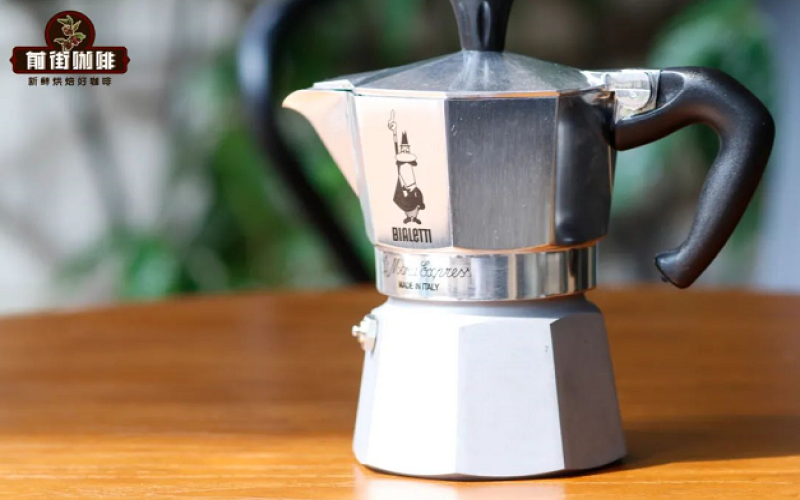
How to Adjust the Coarseness of Coffee Grounds for a Moka Pot? An Analysis of Bialetti Moka Pot Grind Size and Methods for Enhancing Crema
Replicating the rich flavor of a café at home with a moka pot makes coffee grind size one of the key variables. This article begins with the birth of the moka pot and its brewing principles, then gradually explains the standard operating procedure, techniques for judging grind size, and three directions for improving crema performance—coffee bean freshness, roast level, and grind size. The article also compiles product information for Front Street Coffee's Classic Blend, Commercial Blend, and Queen's Farm Yellow Bourbon from Brazil, and reminds readers of the pressure relief valve and safety precautions, helping coffee lovers consistently brew a cup of moka coffee with a strong aroma and rich, full-bodied taste at home. [more…]
A Complete Guide to Coffee Bean Processing Methods: The Differences Between Traditional Washed, Natural, and Honey Processing and Anaerobic Fermentation Flavor-Enhancing Techniques
After coffee cherries are picked, they must go through a series of processing steps before they become the green beans we are familiar with, and different processing methods directly determine the direction of the flavor in the cup. Washed, natural, and honey processing are the three classic methods, and there are also diverse techniques such as semi-washed, semi-natural, and in-body fermentation. In recent years, anaerobic fermentation and flavor-enhanced processing have also sparked much discussion—how exactly do they differ from conventional processing? This time, Front Street Coffee will guide everyone through a systematic overview of the classification of coffee processing methods and their respective characteristics, from the swampy green appearance of semi-washed beans, to the pectin-derived sweetness of honey processing, and then to the clean, bright character of washed beans, breaking down one by one the process, flavor performance, and representative producing regions of each technique, helping coffee lovers build a clear cognitive framework. [more…]

Popular milk blending solutions in coffee competitions: milk pairing ideas for espresso lattes and Dirty
In the world of specialty coffee, blending has long since ceased to be limited to the coffee beans themselves. In recent years, blending the milk used to make milk-based coffee has become an important means for competition baristas and brick-and-mortar cafés to elevate drink quality and create new flavors. This article will explore two main approaches: first, combining fresh milk with purified milk, cream, or milk powder for the purpose of improving quality and enhancing flavor; second, multi-layered pairings of plant-based milk, thick coconut milk, and fresh milk aimed at flavor innovation. Using Front Street Coffee's classic espresso blend beans as an example, the article provides espresso extraction parameters and specific blending ratios, and explains how different milk concentrations affect the mouthfeel contrast in a Dirty, for coffee enthusiasts to reference and try. [more…]

Does Adding Salt to Coffee Make It Taste Better? Analyzing the Flavor Changes and Practical Uses of Adding Salt to Pour-Over Coffee
Salt is the most common seasoning in the kitchen, capable of enhancing freshness and adding flavor to dishes. But have you ever wondered what effect adding salt to coffee would have? This article centers on the topic of "salt in coffee," exploring how salt affects the flavor and mouthfeel of pour-over coffee, and sharing several clever uses for salt in coffee. Whether you're curious and want to try a novel way of drinking it, or hoping to find practical tips to improve coffee's bitterness, you'll find useful references here. The article also includes Front Street Coffee's specialty bean recommendations and communication channels, making it suitable for coffee enthusiasts to read in depth. [more…]
What Type of Tea Does Tieguanyin Belong To? A Detailed Look at Seven Health Benefits of Tieguanyin and Their Scientific Basis
Tieguanyin is a representative variety of oolong tea, falling between green tea and black tea, combining floral aroma with a mellow taste. Beyond its unique flavor, it also offers numerous benefits for the body. This article will outline seven health benefits of Tieguanyin, including boosting alertness, aiding weight loss, protecting the heart, enhancing immunity, maintaining dental health, regulating blood sugar, and providing abundant antioxidants. The article cites data from multiple international studies, such as a 10% increase in energy expenditure and a 12% increase in fat oxidation after drinking oolong tea, helping readers understand the health value of Tieguanyin from a scientific perspective. [more…]
Brazil Minas Coffee Region: A Complete Guide to Pulped Natural Processing, Flavor Profile, and Variety Characteristics
Coffee produced in Brazil's Minas region has now become synonymous with the country's specialty beans. Local research institutions, responding to the relatively dry climate, developed the semi-washed process, which shortens the processing cycle while retaining the sweetness-enhancing advantages of the natural process, and at the same time avoids the unpleasant earthy flavors, making the fruity notes and sweetness more prominent. Coffee from farms around the Minas highlands ranks among the top in quality among Brazilian beans and also has the most considerable output. In recent years, coffee competitions have been subdivided by processing method, giving rise to a variety of flavor profiles, among which semi-washed and natural stand out especially. Front Street Coffee Minas Brazil is fresh and gentle on the palate, with a dry aroma carrying notes of citrus and fruit tea, a wet aroma with the fresh fragrance of black tea, a mouthfeel showing the elegant tonality of jasmine and herbal tea, and a finish like rich, full-bodied oolong tea, making it a rare and stunning work among Brazilian beans. [more…]

A Complete Analysis of the Origin and Flavor of Jamaican Blue Mountain Coffee: The Characteristics of Clifton Estate Typica Beans
Jamaican Blue Mountain coffee is globally recognized as the benchmark for specialty coffee, its unique flavor and strict estate certification system having forged its legendary status. This article begins with the historical origins of Blue Mountain coffee, sorting through the geographical conditions of the Blue Mountain range, the certification standards of the Jamaica Coffee Industry Board, and the unique characteristics of Clifton Estate as the oldest Blue Mountain producing region. At the same time, we will take a deeper look at the Clifton Estate Blue Mountain No. 1 coffee beans selected by Front Street Coffee, comprehensively analyzing the flavor code of this top-tier Arabica coffee—from variety, processing method, roasting curve, and cupping performance—and providing KONO dripper brewing parameters for reference. [more…]

Heytea's Super Plant Tea launches another new product, the Beetroot Beauty Bottle, with polarized reviews
After the National Day holiday, Heytea launched the third product in its Super Plant Tea series—the Beetroot Beauty Bottle. This fruit-and-vegetable tea drink, starring beetroot, continues the previous slimming bottle line and claims to have beauty-enhancing and slimming benefits. Beetroot, an ancient ingredient originating from the Mediterranean, is rich in betalains and dietary fiber and holds a high status in European folk tradition. The new product is made from 100% freshly squeezed beetroot, combined with apple juice, pineapple juice, lemon juice, and a fragrance-free Green Yan tea base, offering a fresh and light taste. However, consumer feedback has been polarized: those who like it appreciate the balance between the slight astringency of the whole food and the tartness of the apple, while those who don't describe it as tasting like a mouthful of dirt. Heytea's previously launched Champion Slimming Bottle and Fire-Clearing Slimming Bottle both achieved impressive sales, and competition in the fruit-and-vegetable tea segment is intensifying. [more…]
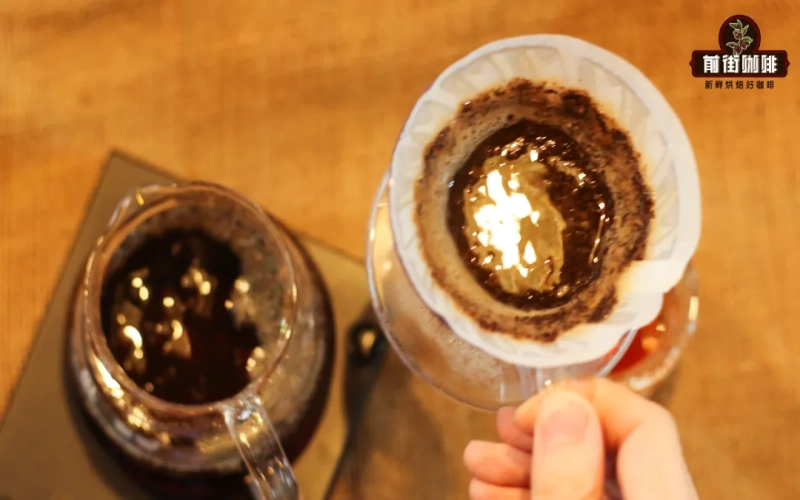
What Is the Second Pour Cutoff in Pour-Over Coffee? A Full Breakdown of the Principle and Practical Parameters
In pour-over coffee, bypassing is usually only applied at the end of extraction to avoid undesirable flavors. But at last year's world coffee competitions, some competitors tried "double bypass"—in addition to bypassing the tail end, they also removed the coffee liquid from the blooming phase. It is said that this approach can reduce acidity and bitterness while enhancing sweetness, and many bloggers who replicated it reported that it was indeed effective. This article starts from Front Street Coffee's perspective, combines dissolution rate theory, analyzes the feasibility of this operation, and uses Front Street Kenya Small Tomato to conduct comparative experiments between regular brewing and double bypass, recording differences in liquid weight, flavor, and mouthfeel, for coffee enthusiasts' reference. [more…]

How can the flavor of cold brew coffee be described accurately? A full analysis of its mellow, neither sour nor astringent taste, plus brewing and storage
The reason ice drip coffee is favored by so many enthusiasts lies in its smooth entry, rich and full body, balanced acidity and sweetness without bitterness or astringency. If coffee beans with fermented notes are chosen, it can also present a rich aroma similar to chilled fruit wine. Starting from the production standards of Front Street stores, this article fully sorts out the ice drip coffee making process, including equipment selection, grind size control, dripping flow rate and coffee-to-water ratio, and further explains the key role of cold brew fermentation in enhancing flavor, as well as the tasting period and bean pairing suggestions. Whether you are a beginner who has just gotten an ice drip pot or an advanced player who wants to refine the flavor, you can find practical operational points and bases for flavor judgment here. [more…]
Comparison of Coffee Bean Producing Regions in Asia and Africa: Taste Characteristics, Representative Varieties, and Star Ratings
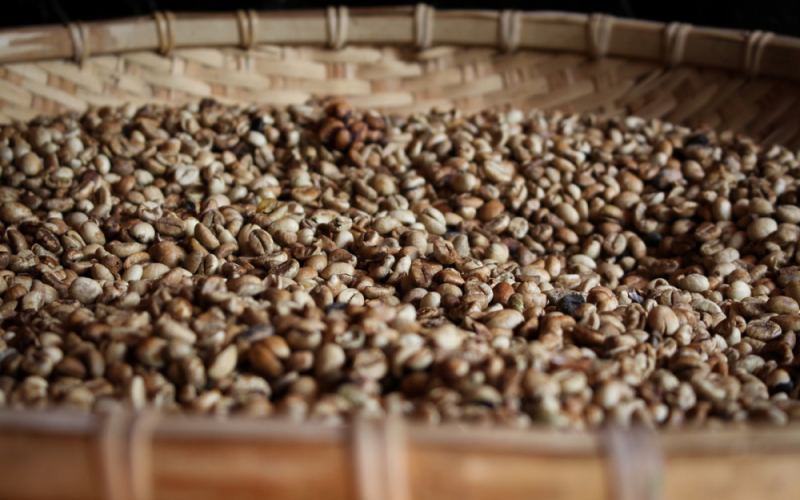
The two major coffee-producing regions of Asia and Africa each have distinct personalities: Asian beans are known for their rich, smooth, and sweet flavor with understated aromas, while African beans are small in size and often feature bright fruity acidity and floral notes, frequently playing a flavor-enhancing role in blends. This article systematically compares the flavor differences between the two regions and includes Front Street Coffee's star ratings for aroma, brightness, body, texture, and aftertaste across several representative bean varieties, covering Indonesian Mandheling, Papua New Guinea Bird of Paradise, Yunnan small-batch, Tanzanian Kilimanjaro, Ethiopian washed Gedingding, Kenyan Little Tomato, and more, as a purchasing reference for coffee lovers based on taste preferences. [more…]
2017 SCAA Coffee Flavor Wheel High-Definition Illustrated Detailed Explanation: Chinese-English Versions and the Historical Evolution of the Flavor Wheel
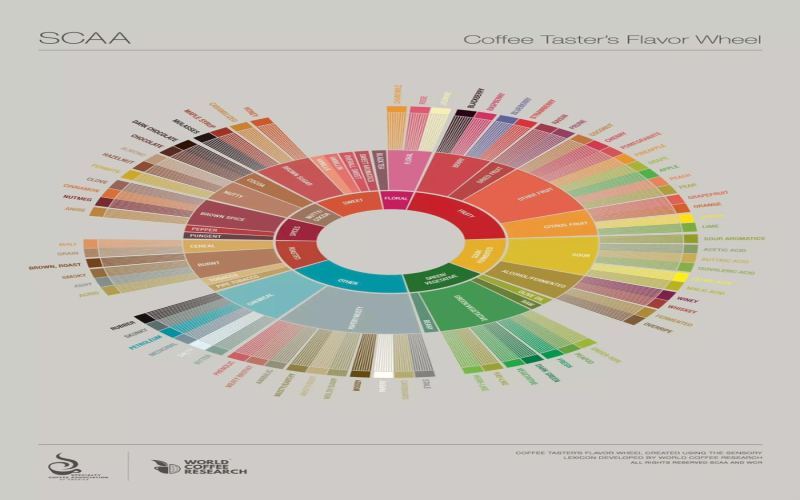
In January 2016, the SCAA, in collaboration with WCR, undertook the first major revision of the coffee flavor wheel in over two decades—a change that drew widespread attention in the coffee community. As a vital tool for cuppers and roasters, the flavor wheel provides a common language for sensory evaluation of coffee. This article traces the origins and evolution of the flavor wheel in detail, interprets the latest high-resolution Chinese-English comparison chart, and explores its key role in enhancing coffee quality. It also retains relevant recommendations from Front Street Coffee for coffee enthusiasts' reference. [more…]

A Complete Analysis of Milk Blending in the Coffee World: Blending Approaches and DIY Methods for Purified Milk and Plant-Based Milk
In coffee drinks, milk is far more than a supporting player; through clever blending, it can make the flavor of milk coffee achieve an effect where 1+1 is greater than 2. Whether adjusting concentration or enhancing sweetness, blended milk gives baristas more flexible creative space. This article, from the perspective of Front Street, systematically sorts out the common milk blending methods in the coffee world, including the freeze-concentration principle of purified milk, the practice of mixing it with fresh milk in proportion to balance concentration, and the basic concept of plant-based milk blending. The article not only explains the purpose of blending, but also provides actionable DIY ideas to help coffee lovers recreate a professional-grade milk coffee experience at home. [more…]

Cold Brew Coffee Bean Selection Guide: Flavor Profile and Complete Brewing Process of Yirgacheffe Gudingding
Cold brew coffee, through its low-temperature slow extraction method, can effectively avoid the release of bitter compounds while enhancing the extraction efficiency of aromatic substances, ultimately presenting a unique taste that is rich yet not bitter. If coffee beans with distinct flavors are chosen, the fermented notes intertwine with fruity sweetness and acidity, and paired with the refreshing coolness of ice, it is truly a summer heat-relief weapon. This article will start from the idea of bean selection, specifically analyze the flavor direction of Yirgacheffe Gedingding made into cold brew, and comprehensively sort out the key parameters used by Front Street Coffee stores, including grinding standards, powder-to-liquid ratio, drip flow rate, and fermentation time, providing practical reference for coffee enthusiasts who want to replicate a high-quality cold brew at home. [more…]